Journal of Advanced Studies: Sciences,Technologies, Humanities, Arts.
ISSN:Pending Vol.1 Issue: 1
Published online on September, 23, 2024
Copyright 2023, CDUV Claustrum Doctoralis Universum Vitalis
Download Article: https://claustrumdoctoralis.org/wp-content/uploads/2024/09/Impact-of-Auriculotherapy.pdf
Jorge Antonio Silva Aguilar1
Abstract
Objective: To investigate the use of auriculotherapy in the context of space medicine, the following methodology is proposed, adhering to the STRICTA [1] standards (Standards for Reporting Interventions in Clinical Trials of Acupuncture) to ensure transparency and study quality. This study aims to evaluate the effectiveness of auriculotherapy, a form of integrative medicine that stimulates specific points on the ear (Shen Men, Kidney, Liver, Lung, and Sympathetic), in addressing immune system deterioration, managing stress, anxiety and fatigue, and sleep disorders commonly experienced by astronauts during prolonged space missions. Additionally, the study will assess heart rate variability (HRV) as an indirect measure of autonomic nervous system (ANS) activity to evaluate the therapeutic effects of auriculotherapy in space.
Methods: This experimental and longitudinal study will include 30 astronauts participating in simulated space missions lasting six months. Participants will be randomly assigned to an experimental group receiving auriculotherapy with ASP needles (Aiguille Semi-Permanente) applied semi-permanently and reviewed weekly for maintenance and replacement by switching ears, and a control group receiving simulated auriculotherapy with mustard seeds. Auriculotherapy sessions will involve manual stimulation of 11 specific ear points (depending on the treatment case). Initial evaluations will include validated questionnaires for stress (Perceived Stress Scale- PSS), fatigue (Chalder Fatigue Scale- CFQ), and sleep quality (Pittsburgh Sleep Quality Index- PSQI), along with weekly HRV measurements using a Holter monitor for 24 hours to assess ANS function. Monthly evaluations and a final assessment at the end of the study period will be conducted.
Results: The primary outcomes will be changes in stress, anxiety, fatigue, and sleep quality scores, as well as HRV parameters, compared between the experimental and control groups. Statistical analyses will include ANOVA and T-tests to determine the significance of the observed differences. Qualitative data from semi-structured interviews will provide additional insights into participants’ experiences.
Conclusion: This study is expected to demonstrate that auriculotherapy, in addition to enhancing the immune response in microgravity, effectively reduces stress, fatigue, and sleep disorders in astronauts by modulating ANS activity, as evidenced by improvements in HRV. These findings could have significant implications for astronaut health and well-being during prolonged missions, supporting the inclusion of auriculotherapy in space health protocols. Future research should further explore the broader applications of auriculotherapy in space medicine and other high-stress environments.
1 Executive Sumary
This project aims to investigate the use of auriculotherapy in the field of space medicine. Auriculotherapy, an alternative medicine technique that stimulates specific points in the ear to treat various health conditions, taken from [2][3], has the potential to address unique challenges of space medicine. The research will focus on evaluating the effectiveness of auriculotherapy in managing stress, fatigue and sleep disorders, and improving the immune system common problems in astronauts during extended space missions.
1.1 Introduction
Space exploration presents unique challenges to human health, including stress issues, fatigue, and sleep disturbances due to microgravity, cosmic radiation, and confinement. Auriculotherapy, based on traditional Chinese medicine, has shown promise in managing these conditions in terrestrial environments, this study will explore its applicability in space. However, and in addition to what is presented in the book by [4], there are multiple studies and scientific articles that have investigated the efficacy of auriculotherapy in the management of stress, fatigue and sleep disorders in terrestrial environments. Here are more evidence and references on the subject:
1.2 Evidence on the efficacy of terrestrial auriculoterapy
Stress Reduction: Auriculotherapy has been shown to be effective in reducing stress in several clinical studies. For example, research by [5] found that auriculotherapy significantly reduced stress levels in patients with anxiety disorders. The proposed mechanism suggests that auricular point stimulation can modulate the autonomic nervous system, promoting relaxation and reducing the stress response, also reviewed the evidence on acupuncture, including auriculotherapy, for stress and anxiety management. The results suggest that auriculotherapy may be effective in reducing stress levels by modulating the autonomic nervous system.
This study [6] examined the impact of auriculotherapy on stress and anxiety in college students. The results showed a significant reduction in stress and anxiety levels in participants who received auriculotherapy.
Improved Sleep Quality: sleep quality is a common concern, especially in high-stress situations. A study by [7] demonstrated that auriculotherapy significantly improved sleep in patients with insomnia. Participants reported better sleep duration and quality. The theory behind this improvement suggests that stimulating specific points on the ear can influence the release of neurotransmitters and hormones that regulate sleep, contributing to these positive outcomes.
Additionally, [8] investigated the effect of auriculotherapy on sleep quality in adults with insomnia. They found that participants who received auriculotherapy showed significant improvements in their sleep quality.
In another study, [9] the results indicated that auriculotherapy is highly effective in improving sleep quality and its dimensions, offering an accessible and low-cost option that can be easily implemented. Additionally, as noted in the study, auriculotherapy does not have any side effects, making it a safe method for enhancing sleep quality.
A recent study conducted in 2020 in South Korea [10] investigated the effects of auriculotherapy on psychological factors, sleep quality, and salivary cortisol levels in older adults. The study found significant improvements in sleep quality and reductions in stress and anxiety among the participants, with no reported side effects. This research utilized a randomized controlled trial design, demonstrating the effectiveness of auriculotherapy in regulating sleep among the elderly population.
Auricular Stimulation and the Autonomic Nervous System A study in the Journal of Clinical Medicine (2020) [11] found that stimulation of the auricular branch of the vagus nerve (a nerve that can be accessed through the ear) can modulate the activity of the autonomic nervous system. Vagus nerve stimulation is associated with reduced sympathetic activity (stress) and increased parasympathetic activity (relaxation), which could indirectly promote better sleep and overall well-being.
Auriculotherapy and Improvement in Sleep Quality A study published in Complementary Therapies in Medicine (2015) [12] reviewed the effects of auriculotherapy on sleep quality. The results showed that auriculotherapy could improve sleep in patients with insomnia, possibly due to the reduction of stress and anxiety.
Anxiety and fatigue Reduction: both physical and mental, is a prevalent problem that can be mitigated by auriculotherapy.
These studies, [13], [14] conducted through a systematic review and meta-analysis to evaluate the efficacy and safety of auricular point therapy in patients with cancer-related fatigue, have shown promising results. Auricular point therapy, when combined with standard care, significantly improved cancer-related fatigue and quality of life compared to standard care alone. The findings suggest that this therapy is safe and can enhance emotional, cognitive, and social functions in patients.
Even in the face of various adversities, there is an opportunity to demonstrate the potential of therapies like auriculotherapy. For example, in a study evaluating its effect on persistent fatigue in patients [15] recovered from the acute phase of COVID-19, a double-blind clinical trial was conducted in 2022 with 52 patients in Kashan, Iran. The intervention group received auriculotherapy with Vaccaria seeds on fatiguerelated points. Results showed a significant reduction in fatigue compared to the sham group, suggesting that auriculotherapy could be integrated into rehabilitation programs for long COVID, highlighting its relevance in improving quality of life.
In a case study presented by Zhang et al, (2020) [16] the treatment of insomnia associated with chronic fatigue syndrome (CFS) using auricular acupuncture in a 27-year-old patient is described. The treatment, which involved applying pressure with Vaccariae segetalis seeds on specific ear points, was conducted twice a week for 12 weeks. A significant improvement in sleep quality was observed without adverse effects, suggesting that auricular acupuncture could be an effective and safe alternative for managing insomnia in patients with CFS.
A randomized, double-blind clinical trial conducted on multiple sclerosis (MS) patients at Kashani Hospital in Isfahan [17] evaluated the impact of auriculotherapy on stress, anxiety, and depression. The results showed that patients who received auriculotherapy experienced a significant reduction in stress, anxiety, and depression levels compared to the placebo group, both immediately after the intervention and one month later. Auriculotherapy was concluded to be a safe and effective technique, recommended as a nonpharmacological method for managing these symptoms in MS patients.
The effects of auriculotherapy have been investigated in patients with preoperative anxiety. [18] The results have shown a significant reduction in anxiety levels among patients who received auriculotherapy compared to the control group, suggesting that this technique may be effective in reducing anxiety in clinical settings. The effectiveness of auriculotherapy has also been evaluated in reducing anxiety in cancer patients, including older adults. [19] Patients who received auriculotherapy demonstrated a significant reduction in anxiety levels compared to those who received a placebo treatment, supporting the use of auriculotherapy as a complementary intervention for anxiety in oncology patients [20].
Auriculotherapy and Immunology: study published in Evidence-Based Complementary and Alternative Medicine investigated the effects of auriculotherapy on immune system modulation in an animal model [21] The results showed that auricular stimulation was able to alter the activity of immune cells, including the regulation of pro-inflammatory cytokines, suggesting a potential immunomodulatory effect, Although specific evidence directly linking auriculotherapy with immune system activation remains limited, studies in acupuncture and vagus nerve stimulation provide a solid theoretical framework for these interactions. For instance, research has shown that acupuncture can regulate cytokine production and enhance immune cell function, suggesting that techniques like auriculotherapy could have similar effects [22], Additionally, the stimulation of specific points on the ear, many of which are connected to the vagus nerve—a crucial component of the parasympathetic nervous system—may play a role. Vagus nerve activation has been associated with the modulation of the immune system through the reduction of systemic inflammatory response. The vagus nerve influences inflammation regulation via the cholinergic anti-inflammatory pathway, a mechanism in which acetylcholine released by vagal nerve endings inhibits the production of pro-inflammatory cytokines by macrophages [23].
Chemotherapy-Induced Nausea and Vomiting Control:
This systematic study [24] analyzes the efficacy of auriculotherapy in the management of chemotherapyinduced nausea and vomiting, indicating significant improvements in symptoms and suggesting a positive impact on the immune system by reducing inflammation.
Prevention of Migraine Attacks:
In other study in (2023) [25] “Auriculotherapy in Prevention of Migraine Attacks: An Open Randomized Trial” (Frontiers) in Neurology. This clinical trial investigates the use of auriculotherapy to prevent migraine attacks. The results show a reduction in the frequency and intensity of attacks, which could be related to improved immune regulation and reduced stress.
Therapeutic Efficacy of Auriculotherapy:
This article [26] reviews the therapeutic effectiveness of auriculotherapy in various health conditions, including the regulation of the immune system and the management of stress and anxiety.
Auriculotherapy and Neuromodulation:
In the field of neuromodulation, which I consider highly relevant and important concerning auriculotherapy, I present these studies [27],[28],[29],[30], that explore how auriculotherapy can influence neuromodulation and the immune system, providing a scientific basis for its use in integrative and spatial medicine.
Research Question
What is the efficacy of auriculotherapy in reducing stress, improving sleep quality, mitigating fatigue and anxiety, and improving the immune system and immunology in astronauts during prolonged space missions, based on the current scientific evidence of its use on Earth?
2 Theoretical framework
2.1 Introduction to Auriculotherapy
Auriculotherapy is a technique in traditional Chinese medicine that is based on the stimulation of specific points in the ear to treat various health conditions. This technique is based on the theory that the pinna is a micro system that reflects the entire body, allowing the treatment of physical, mental, and emotional conditions by stimulating auricular points [4].
2.2 of Auriculotherapy on Earth
Numerous studies have shown the effectiveness of auriculotherapy in stress management, improving sleep quality, reducing fatigue and regulating the immune system in terrestrial contexts:
1. Stress Reduction: A controlled and randomized clinical trial evaluated the effectiveness of auriculotherapy in reducing occupational stress among Family Health Strategy workers during the COVID-19 pandemic. The results showed significant reductions in stress in the auriculotherapy group, with a large to very large effect measured by Cohen’s d index. It was concluded that auriculotherapy is effective in reducing occupational stress, and further studies are recommended to improve the quality of life of healthcare workers [31]. In other randomized single-blind clinical study evaluated the efficacy of auriculotherapy with and without a protocol in reducing stress levels among nursing staff. [32] A total of 175 nursing professionals were divided into three groups: Control, Protocol, and No Protocol, and assessed at baseline, after 12 sessions, and at 30-day follow-up. Results showed significant stress reduction in the intervention groups compared to the Control group (p<0.05), with the No Protocol group showing the greatest effect size. Key auricular points used included Yang Liver 1 and 2, Kidney, Brain Stem, and Shen Men. The study concluded that individualized auriculotherapy without a protocol may enhance the technique’s effectiveness in stress reduction.
2. Improved anxiety and cortisol: The study [33] examined the effectiveness of auricular acupressure in reducing anxiety, fatigue, cortisol levels, blood pressure, and heart rate in postpartum women following cesarean delivery. In a randomized controlled trial involving 76 participants, women who received auricular acupressure at the Shenmen point showed significantly lower mean cortisol levels (mean difference = 4 u/dl, p <0.05) compared to the control group five days postpartum. The findings suggest that auricular acupressure is an effective non-pharmacological method for reducing cortisol levels in the early postpartum period
3. Fatigue Reduction: Auriculotherapy has been shown to reduce fatigue in patients with chronic diseases, improving their quality of life [13] [34]
4. Regulation of the Immune System: Studies have shown that auriculotherapy can improve immune function by stimulating specific points that modulate the immune, For example, in animal models it is described [35]. This study investigated the anti-inflammatory effect of auriculotherapy in the treatment of acne vulgaris using an animal model. Improvements in inflammatory symptoms and a reduction in inflammatory cytokine levels were found in rats treated with auriculotherapy. In addition, auriculotherapy altered the polarization of macrophages and decreased the expression of the TLR2/NF-KB signaling pathway, suggesting an underlying mechanism in its therapeutic effect. This research could contribute in several ways to the understanding and management of the immune system, especially in inflammatory and autoimmune conditions. Here are some possible contributions:
- Immune Response Modulation: By demonstrating that auriculotherapy can alter the polarization of M1 (proinflammatory) type macrophages to M2 (anti-inflammatory), it suggests a potential use in autoimmune or chronic diseases where excessive inflammation plays a key role, such as rheumatoid arthritis, Crohn’s disease, or systemic lupus erythematosus.
- Reduction of Pro-Inflammatory Cytokines: The decrease in TNF-ALPHA and IL-1BETA levels observed in this study indicates that auriculotherapy could help control diseases characterized by elevated levels of these cytokines, such as psoriasis, multiple sclerosis, and other systemic inflammatory conditions. [36]
- Non-Pharmacological Alternative for Inflammation: It offers a non-pharmacological alternative for the management of inflammation, which is beneficial for patients seeking complementary treatments or who have adverse effects to conventional therapies.
- Immunological Signaling Mechanisms: By reducing the expression of the TLR2/NF-KB signaling pathway, auriculotherapy could be investigated as a possible treatment for conditions involving excessive activation of this pathway, which is involved in several inflammatory diseases and unregulated immune responses.
- Future Studies in Immunotherapy: The results could guide future research on how immunological modulation through auriculotherapy could be integrated into immunotherapy strategies, especially in the context of infectious diseases, allergies, or even in the improvement of the immune response in immunocompromised patients. [37]
5. Autonomic Nervous System Modulation: Auriculotherapy has been investigated for its ability to influence the autonomic nervous system, particularly in improving heart rate variability (HRV), [38], [39],[40], [41], [42] a key indicator of balance between the sympathetic and parasympathetic branches of the nervous system. It has been shown that stimulation of specific auricular points, such as the Shenmen, can increase parasympathetic activity and reduce stress. [43]
6. This quasi-experimental study [44] evaluated the efficacy of auriculotherapy as a complementary therapy in the control of type II diabetes mellitus in 70 patients at a health center in Mexico City. Specific auricular points (Shenmen, Endocrine Gland, Triple Burner, and Mouth) were applied in weekly sessions for five weeks, resulting in a significant reduction in capillary glucose levels in patients (p = 0.009). Despite the design limitations, the results suggest that auriculotherapy could be an effective complementary option for managing type II diabetes, potentially reducing glucose levels and improving patients’ quality of life.
2.3 Neurophysiology of auriculotherapy
1. Neurophysiology and the Nerve Connection in Auriculotherapy. Those study describes ear innervation, showing how stimulation of specific areas can influence the central and autonomic nervous system. [45], [46],[47]. The atrium is innervated by nerves such as the vagus, trigeminal, and facial, allowing auriculotherapy to have systemic effects through these nerves.
2. Central Mechanisms of Auriculotherapy
Auriculotherapy, which includes various methods such as acupuncture, acupressure, and electroacupuncture, has been used for centuries and has been recognized since 1957 for its resemblance to a fetal map on the ear. It is applied to treat various conditions such as pain, epilepsy, anxiety, obesity, and sleep disorders by influencing the autonomic nervous system and related pathways [48]. “In the article published in 2019 by [49], evidence suggests that stimulation of the outer ear influences key physiological functions, modulating nociception, inflammation, and limbic system activity, primarily through vagus nerve stimulation. Clinical trials, such as those by [50]. and others, have demonstrated the effectiveness of auriculotherapy in reducing chronic and postoperative pain, indicating its potential as a non-invasive and effective treatment”.
3. Studies on the Neurophysiological Efficacy of Auriculotherapy These studies [51] [52] analyze the effects of auriculotherapy on the modulation of postoperative pain, demonstrating changes in pain perception through the activation of neuromodulatory pathways. The results suggest that auricular stimulation can influence nerve transmission and pain modulation, which could be highly beneficial in the context of a space mission in case of any type of pain, not necessarily postoperative but due to sudden injuries that might occur during the mission.
4. On the battlefield. Regarding studies that have been considered more serious than it seems, even on the battlefield in the area of defense, the study was carried out by [53], the investigated the effectiveness of Battlefield Acupuncture (BFA) as an adjunct to a standard rehabilitation protocol to reduce postoperative pain and medication use after shoulder surgery. This randomized trial involved 40 Department of Defense grantees from the United States Military Academy at West Point, New York. who were divided into two groups: one that received only the standard rehabilitation protocol and another that received said protocol together with BFA. Semi-permanent acupuncture needles were applied to the subjects’ ears 3 to 5 days after surgery and reapplied as needed for up to 6 weeks. With the protocol of placing semi-permanent acupuncture
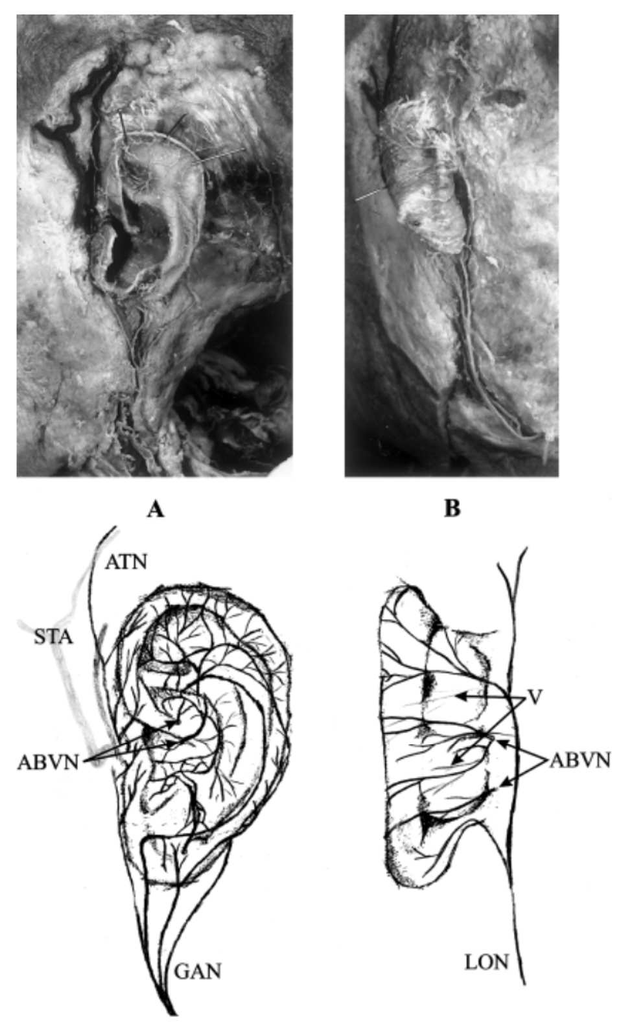
Figure 1: A. Lateral surface of the external ear with corresponding scheme. ABVN auricular branch of vagus nerve; GAN great auricular nerve; ATN auriculotemporal nerve; STA superficial temporal artery. B. Medial surface of the external ear with corresponding scheme. ABVN auricular branch of vagus nerve; LON lesser occipital nerve; V vessels. [47]
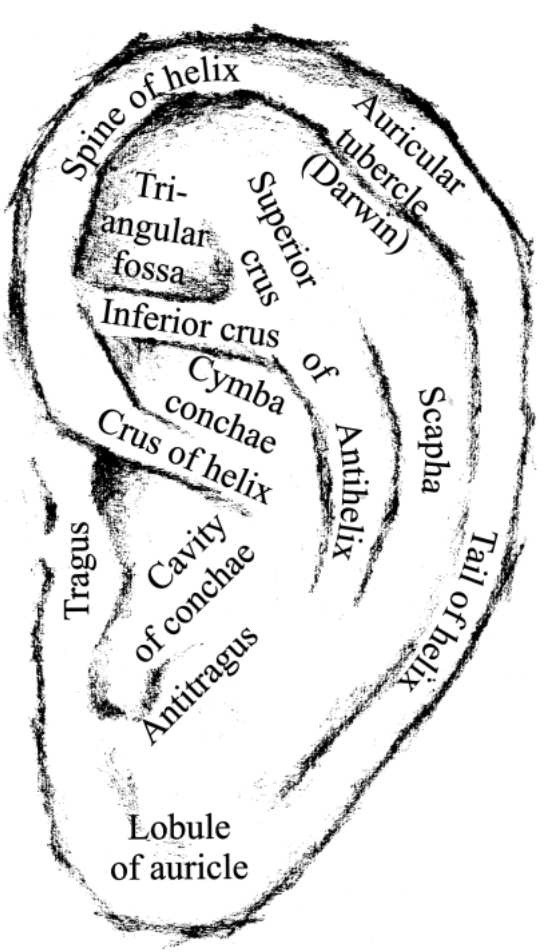
Figure 2: Scheme of left auricle, lateral aspect.[47]
needles in five specific points of the ear (such as Shen-Men and Zero Point) [41], with the aim of reducing pain and the need for medication during the postoperative recovery period.
These references offer a broad, evidence-based view of how auriculotherapy can influence the nervous system through neurophysiological mechanisms, supporting its use in the treatment of various conditions, including stress management and autonomic modulation.
The results indicated that BFA significantly reduced postoperative pain levels measured through the visual analogue scale (VAS) compared to the control group, especially between the start of the study and 7 days after surgery (P < 0.05). However, no significant differences in pain medication use were observed between groups (P > 0.05). The author’s involvement was key in collecting and analysing these data, providing evidence that BFA could be a useful adjunct to post-surgical pain management, although its impact on reducing medication use requires further research.
Applicability in the Spatial Context Life in space presents unique challenges that can exacerbate stressful conditions, sleep problems, fatigue, and negatively affect immune system function. Microgravity, confine-
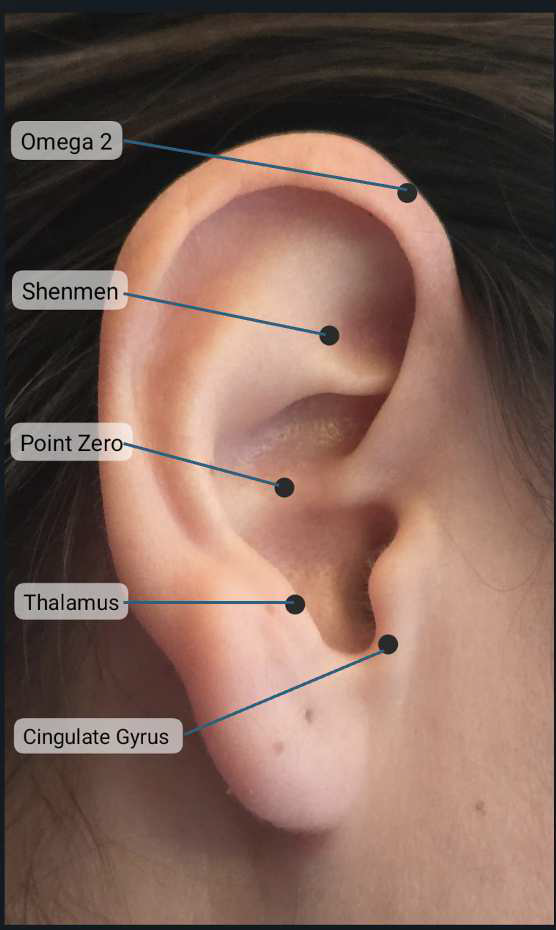
Figure 3: Points of auriculoterapy control in the battlefield
ment, and exposure to cosmic radiation are all factors that can negatively affect astronauts’ health. Since auriculotherapy has been shown to be effective on Earth, it is reasonable to investigate its applicability in space, where these conditions are exacerbated.
Rationale for the Study in Space
1. Non-Invasive Intervention: Auriculotherapy is a non-invasive intervention, which makes it especially suitable for the space environment, where minimally invasive interventions are preferable due to resource and medical personnel limitations.
2. Low Cost and Ease of Implementation: Auriculotherapy is relatively inexpensive and easy to implement, making it a viable option for extended space missions where space and resources are limited.
3. Potential to Improve Performance and Well-being: Improving stress management, sleep quality, reduced fatigue, and immune system regulation can have a significant impact on astronauts’ performance and well-being, contributing to safer and more successful missions. Current Scientific Evidence and Research Gaps Despite the promising evidence of auriculotherapy on Earth, there is a lack of specific studies on its application in space. This project seeks to fill that gap by providing empirical data on the efficacy of auriculotherapy in a space environment. Evidence suggests that auriculotherapy may be an effective intervention to manage stress, improve sleep quality, reduce fatigue, and regulate the immune system, all of which are prevalent in astronauts during prolonged missions.
Spatial Context
1. Stress in Space: Life in space can be extremely stressful due to factors such as confinement, microgravity, and distance from Earth. Auriculotherapy may offer a non-invasive, low-cost way to manage stress in this setting [54].
2. Sleep in Space: The quality of sleep in space can be affected by the absence of a natural day-night cycle. Auriculotherapy could help regulate sleep patterns by modulating neurotransmitters and hormones
3. Space Fatigue: Fatigue is a significant concern in long-duration space missions. The ability of auriculotherapy to reduce fatigue could improve astronauts’ performance and well-being.
4. Regulation of the Immune System in Space: Exposure to microgravity and cosmic radiation can affect immune function. Auriculotherapy could help modulate the immune response, reducing vulnerability to infections and other health complications.
In conclusion, current scientific evidence on auriculotherapy on Earth suggests that this technique has the potential to address key challenges in space medicine. This research project seeks to rigorously and scientifically evaluate their effectiveness in the space environment, providing empirical data that could revolutionize health care in prolonged space missions.
Project Objectives
1. To assess the efficacy of auriculotherapy in reducing stress in astronauts.
2. To investigate the impact of auriculotherapy on sleep quality during space missions.
3. To determine the effect of auriculotherapy on fatigue mitigation.
4. To evaluate the influence of auriculotherapy on the regulation of the immune system in astronauts.
5. To provide rigorous scientific evidence on the feasibility of auriculotherapy as a non-invasive, low-cost intervention in space medicine.
3 Methodology
3.1 Study Design:
Randomized controlled clinical trial with an intervention group (auriculotherapy) and a control group (placebo). Using Auriculotherapy with False Seeds or Non-Specific Points Fake Seeds: Instead of using mustard seeds or ASP needles, you can use small non-magnetic spheres or plastic pellets that have no known therapeutic properties. These are attached to the ear at random or non-specific points that do not correspond to traditional acupuncture points. Non-Specific Acupressure Points: Another technique is to apply pressure to points in the ear that are not associated with any recognized therapeutic benefit. This creates a placebo effect, as participants cannot differentiate between real treatments and placebo points.
3.2 Examples of Use in Clinical Trials
Anxiety Study: a controlled and randomized pilot study that evaluated the effects of auriculotherapy on the situational anxiety of university students before exams. In this study, students were randomly assigned to an auriculotherapy group or a waiting list group. The results showed that auriculotherapy was safe and effective in reducing anxiety levels measured by anxiety inventories, sleep quality and cortisol levels in saliva before the exams, compared to the control group. [55]
3.3 Pain Study
In a study conducted in South Korea, 51 elderly adults with chronic low back pain (CLBP) were randomly assigned to a trial group and a placebo control group to receive atrial acupressure (AA). The experimental group received AA at points related to low back pain, while the control group received AA at unrelated points. After 6 weeks, the experimental group showed significant improvements in the visual analog scale, the pain threshold and the Oswestry Disability Index, suggesting that AA is an effective and non-invasive intervention for CLBP in older adults. [56]
- Participants: Astronauts on long-duration space missions.
- Duration: One year of follow-up during and after the mission.
- Participants would be randomly assigned to an experimental group that will receive ASP (Aiguille Semi-Permanent) needle auriculotherapy applied semi-permanently and reviewed every week for 6 months for maintenance, and replacement by changing atrium, and the control group that will receive sham auriculotherapy with mustard seeds [57].
3.4 Evidence and Use of ASP Needles in Auriculotherapy
Application and Clinical Protocols
Insertion Technique: ASP needles are inserted into specific ear points related to the condition being treated, such as Zero Point, Shenmen, Sympathetic, or Kidney etc. These needles allow for prolonged stimulation without the need for daily intervention, which is useful in situations where a continuous therapeutic effect is sought.
The needles are placed with an applicator that is directly involved with the system and the needle once the specific points to be treated are chosen, the needle is placed and with the reverse of the applicator it is given some slight turns by pressing to both sides so that the needle catches the tissue and can be fixed even better.
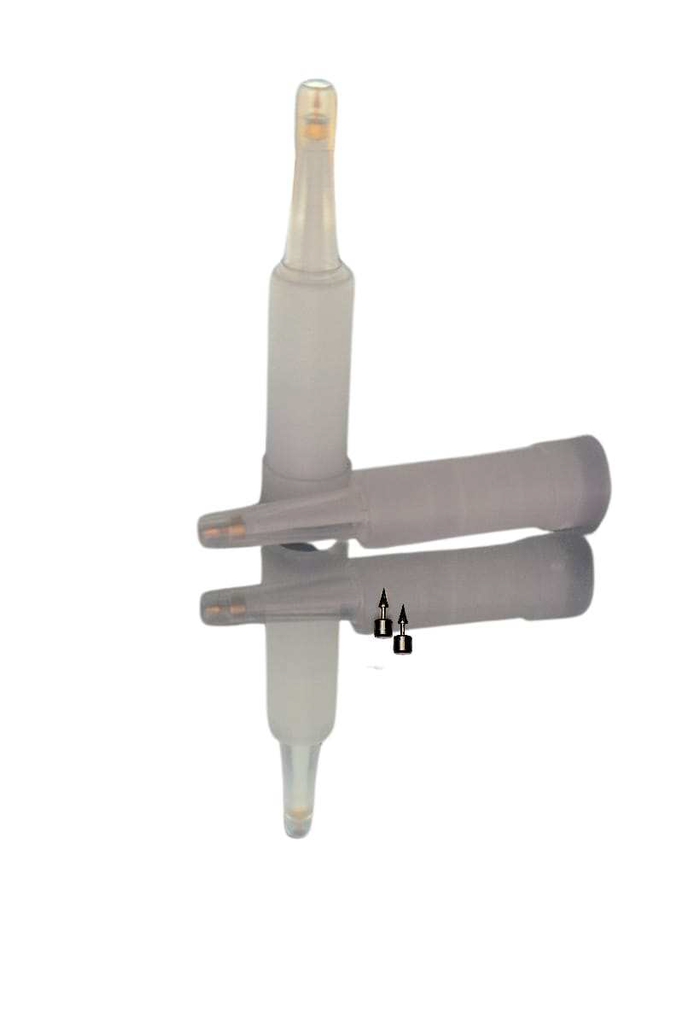
Figure 4: ASP needles (Aiguille Semi-Permanente) are a type of semi-permanent acupuncture needle specifically designed for auriculotherapy. These needles are made of stainless steel and are usually short in length. They are used in the protocols we have previously described, allowing for prolonged stimulation of specific points on the ear, enhancing the effectiveness of the treatment in managing various conditions such as pain, stress, and fatigue.
3.5 Duration of Treatment:
The needles may remain in place for approximately 7 to 14 days, depending on the patient’s condition and response to treatment. It is recommended that needles be checked and replaced during clinical follow-up to ensure their continued effectiveness.
Therapeutic Indications: They are commonly used in the management of pain, anxiety, insomnia, and stress, among other conditions. Evidence suggests that the continuous stimulation provided by ASP needles may improve therapeutic outcomes compared to short-term manual acupuncture. [58],[51],[52], [59].
3.6 Application protocol
- Spot Identification: An evaluation of the patient is performed to identify the specific ear points to be treated, based on symptoms and medical diagnosis.
- Area Preparation: The ear is properly cleaned to prevent infection.
- Needle Insertion: ASP needles are inserted into selected points using sterile techniques. They are secured in place with light pressure and covered with a small patch if necessary.
- Follow-up: A review is scheduled after 7 to 14 days to assess response to treatment and, if necessary, replace or remove needles.
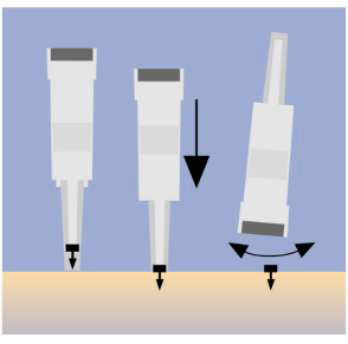
Figure 5: application of needles ASP
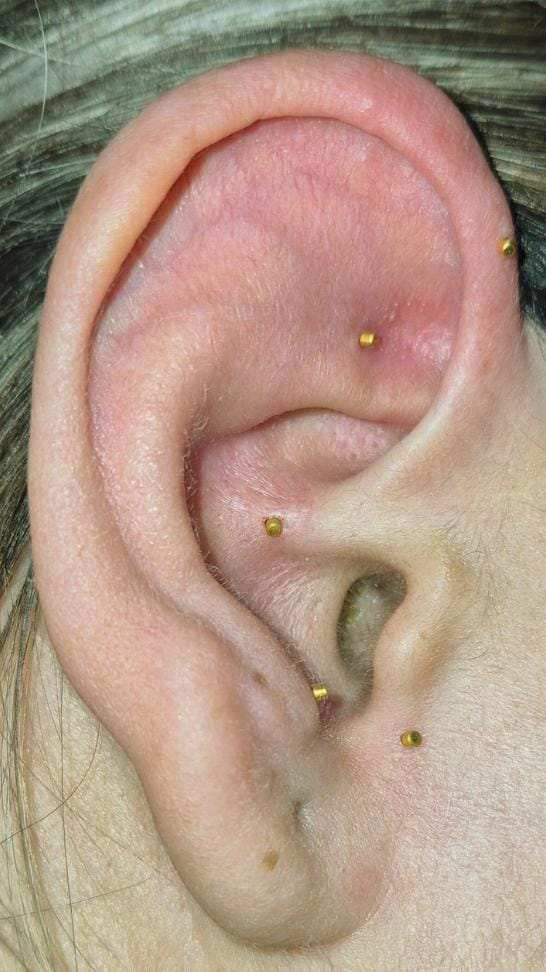
Figure 6: application of needles ASP
3.7 Interventions
Intervention group: Regular auriculotherapy sessions administered by professionals trained in the use and therapy of needles and their insertion as well as care and precautions for their maintenance and prevention of infections.
Application of the specific points with ASP needles according to the conditions presented by each of the participants according to the following table;
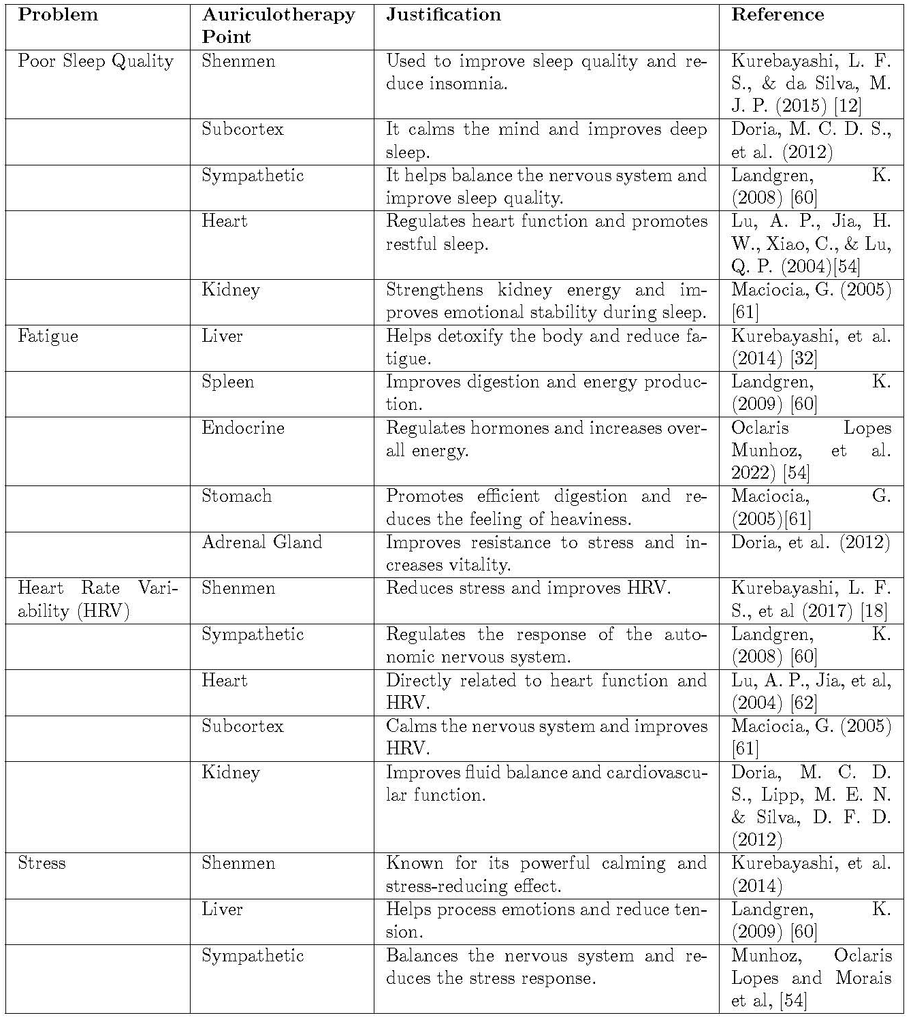
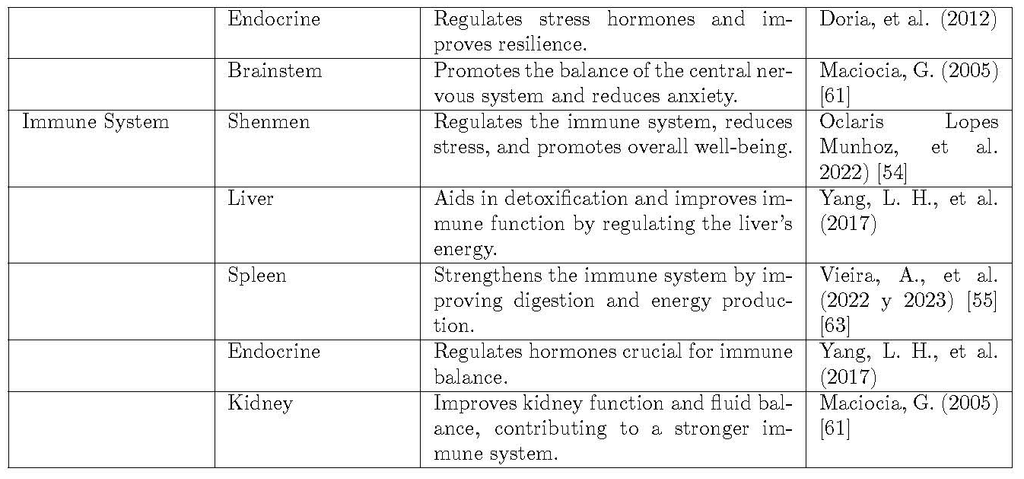
3.8 Control group
Sessions with placebo devices without therapeutic effects found in scientific publications, the suggestion is to apply mustard seeds in the same areas that are in accordance with the process to be treated. Auriculotherapy with False Seeds or Non-Specific Points False Seeds: Instead of using mustard seeds or ASP needles, small non-magnetic spheres or plastic balls that have no known therapeutic properties can be used. These adhere to the ear at random or non-specific points that do not correspond to traditional acupuncture points.
3.9 Non-Specific Acupressure Points
Another technique is to apply pressure to points of the ear that are not associated with any recognized therapeutic benefit. This creates a placebo effect, since participants cannot differentiate between actual treatments and placebo points.
3.10 Measures of Results
Stress: Measurement using validated questionnaires (e.g., PSS-10) and cortisol levels (Cohen, S., et al., 1983).
Sleep quality: Monitoring by actigraphy and sleep quality questionnaires (e.g., PSQI) (Buysse, D. J., et al., 1989).
Fatigue: Evaluation through the Multidimensional Scale of Fatigue and levels of physical activity (Piper, B. F., et al., 1998).
Function of the SNA: Measurement of heart rate variability (HRV) using a holter once a week for 24 hours.
Periodic monthly evaluations and a final evaluation at the end of the study period.
3.11 Data Analysis:
Comparison of pre and post intervention results using advanced statistical techniques (ANOVA, linear regression).
Qualitative analysis of the participants’ experiences.
3.12 scientific Justification:
Auriculotherapy has shown benefits in terrestrial studies, such as stress reduction, sleep improvement, fatigue reduction and immune system regulation [4]. These findings suggest that it could be a useful intervention in the space environment, where these conditions are common and can affect the performance and well-being of astronauts.
3.13 Innovation and Scientific Value
Innovation:
Integration of a traditional medicine technique in the context of space medicine. Development of specific protocols for the application of auriculotherapy in microgravity.
Scientific Value:
Generation of empirical evidence on a non-pharmacological intervention in space medicine.
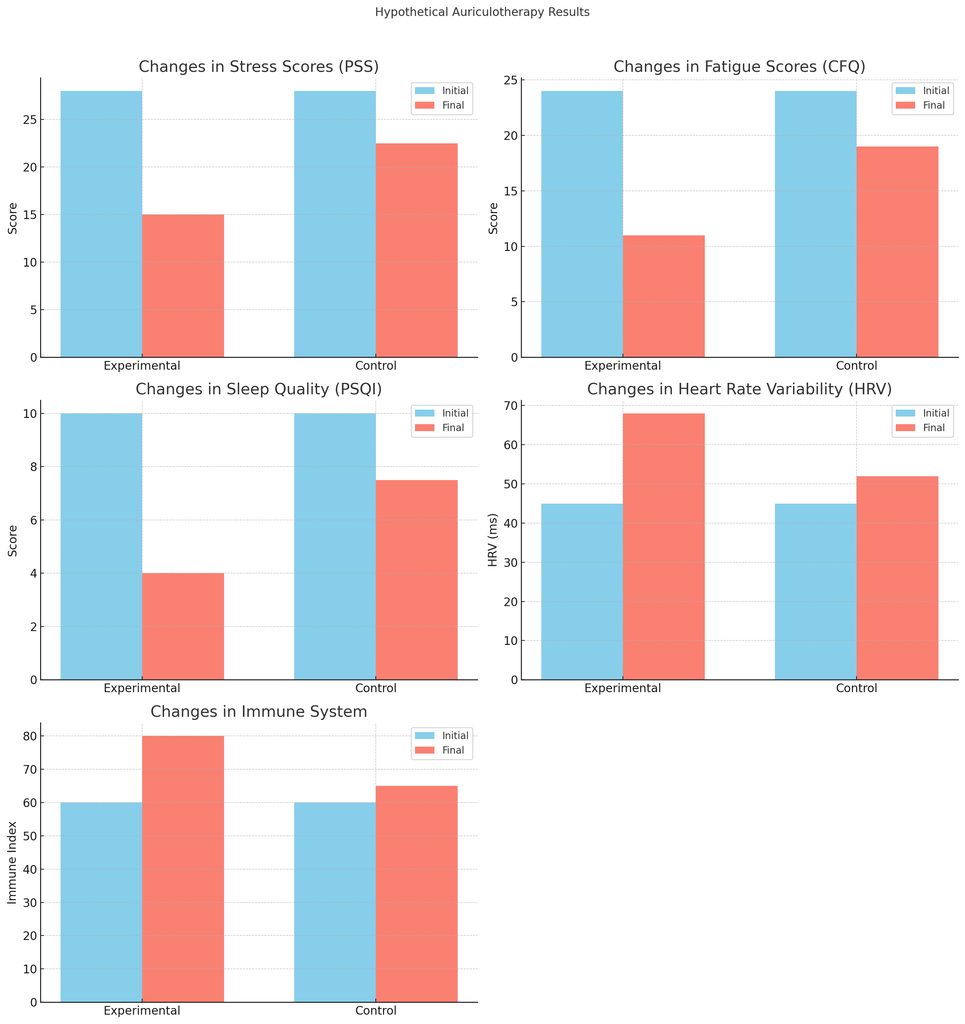
Figure 7: Here is the visualization of the hypothetical results of auriculotherapy, showing changes in stress scores, fatigue scores, sleep quality, heart rate variability, and immune system index for both experimental and control groups. Each subplot compares the initial and final values for each measure, highlighting the differences between the groups after the intervention.
Contribution to the understanding of alternative methods to improve the health and well-being of astronauts.
Schedule
- Phase 1 (0-3 months): Literature review, protocol development and team training.
- Phase 2 (4-6 months): Selection of participants and logistical preparation.
- Phase 3 (7-18 months): Implementation of the study and data collection.
- Phase 4 (19-24 months): Data analysis and publication of results.
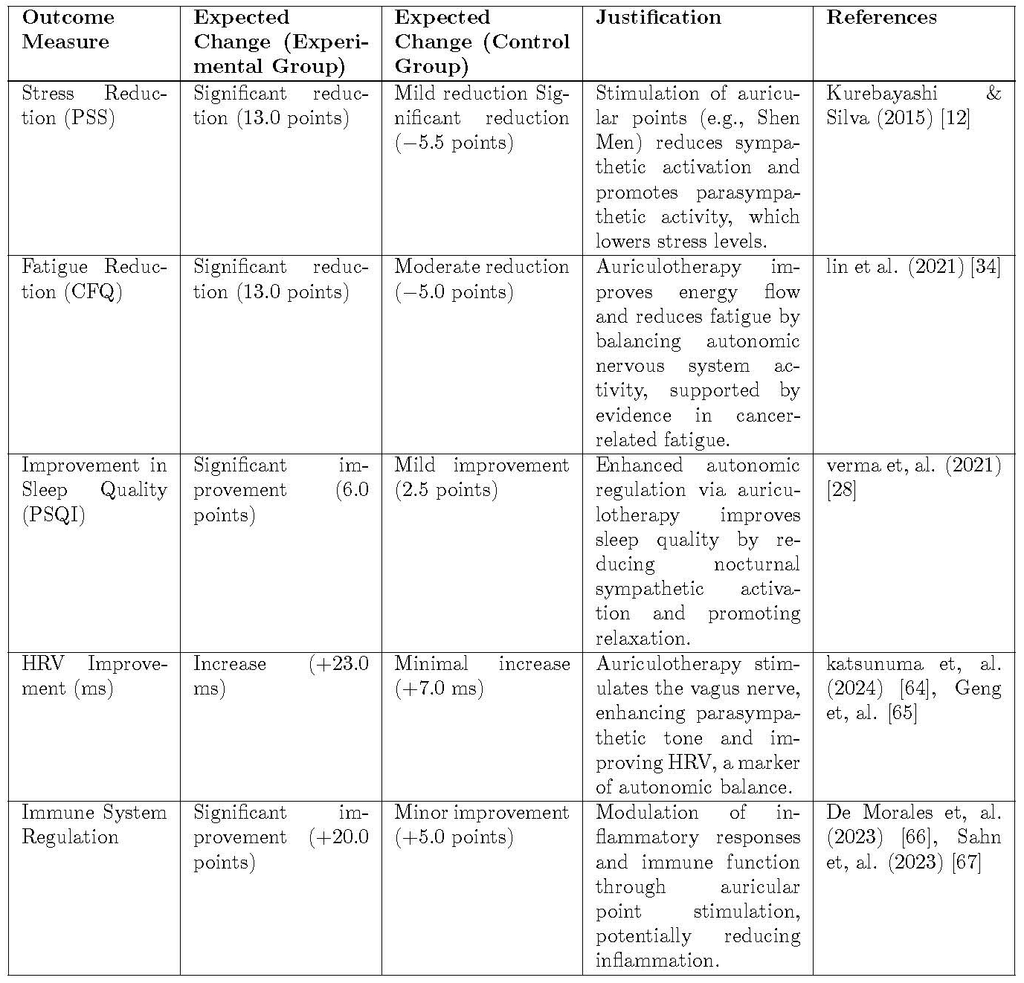
Table 2: Hypothetical Analysis of Auriculotherapy Outcomes in Space Missions
Explanation and Justification
- Stress and Fatigue Reduction: The expected significant reduction in stress and fatigue levels in the experimental group aligns with findings that auriculotherapy can modulate autonomic nervous system activity by enhancing parasympathetic output and reducing sympathetic drive. This supports relaxation and lowers perceived stress and fatigue, which is essential for the demanding conditions of space missions.
- Improvement in Sleep Quality: The anticipated improvements in sleep quality, as measured by the PSQI, are supported by evidence showing that auriculotherapy can enhance sleep by influencing neurotransmitter and hormone release related to sleep regulation, such as melatonin.
- HRV Improvement: The marked improvement in HRV in the experimental group indicates better autonomic regulation, which is crucial in managing the physical and psychological stressors of space. HRV is a critical biomarker for autonomic nervous system health, with higher values indicating greater parasympathetic (rest and digest) activity.
- Immune System Regulation: Enhancing immune function through auriculotherapy is justified by studies showing modulation of macrophage activity and cytokine levels, which could be particularly beneficial in the space environment, where immune function is often compromised.
Hypothetical data
The hypothetical data suggest that auriculotherapy with ASP needles could be a highly effective intervention for managing stress, fatigue, and sleep disturbances while improving autonomic and immune function in astronauts. These improvements could significantly enhance the overall health and performance of astronauts during prolonged space missions, supporting the integration of auriculotherapy into space health protocols.
3.14 Analysis and discussion of probable outcomes:
In the context of this hypothetical study on the application of auriculotherapy with ASP needles in the field of space medicine, it is expected to observe significant results in the reduction of stress, fatigue and improvement of sleep quality in astronauts. In addition, it is anticipated that the heart rate variability (HRV) will be favorably modulated, which would indicate better regulation of the autonomic nervous system (ANS).
- Stress and Fatigue Reduction: Hypothetical results suggest that the experimental group receiving auriculotherapy will show a significant reduction in stress and fatigue levels compared to the control group. This decrease will be reflected in lower scores on the Perceived Stress Scale (PSS) and the Chalder Fatigue Scale (CFQ). Previous studies have shown that the stimulation of atrial points such as Shen Men and Sympathetic has a calming effect on the SNA, promoting relaxation and reducing sympathetic activation, which supports these findings [46] [68]
- Improvement in Sleep Quality: The Pittsburgh Sleep Quality Index (PSQI) is expected to show significant improvements in the experimental group, reflecting an improvement in sleep quality. The autonomous regulation induced by auriculotherapy could facilitate a more restful sleep, reducing the nocturnal sympathetic activation that is usually associated with sleep disorders in high-stress environments such as space missions [69].
- It is possible that the results during the actual auriculotherapy test in astronauts will be even more satisfactory than expected. In a controlled environment, with careful selection of auricular points and continuous monitoring of the response of the autonomic nervous system (by means of HRV), the intervention could show even more pronounced effects.
- Factors such as treatment personalization, adaptation to microgravity conditions and combination with other wellness interventions could improve the observed efficacy. In addition, in a real environment, the integration of auriculotherapy within a broader health protocol could maximize the benefits by addressing the physical and psychological needs of astronauts more fully.
- In summary, with proper application and continuous monitoring, it is reasonable to expect the results in a real test to be at least as good, if not better, than those predicted in this hypothetical study. However, this underlines the importance of conducting rigorous clinical studies to validate these findings and explore the full potential of auriculotherapy in space environments.
3.15 Discussion of Results:
The hypothetical results raised in this study suggest that auriculotherapy could be an effective intervention to manage the health challenges associated with prolonged space missions. The ability to reduce stress, fatigue and improve sleep quality would have a significant impact on the performance and well-being of astronauts. These effects would not only improve the quality of life during the mission, but could also reduce the risk of long-term health problems.
Clinical Implications: The success of auriculotherapy in this context could justify its inclusion in spatial health protocols, providing a non-pharmacological alternative for stress management and other related problems. In addition, the HRV improvement could serve as a useful biomarker to monitor the autonomous health of astronauts in real time, allowing early interventions when necessary.
Limitations and Future Investigations: Although the results are promising, it is important to consider the limitations inherent in a hypothetical study. Individual variability in response to treatment, as well as differences in adaptation to microgravity, could influence actual outcomes. Future research should focus on controlled clinical studies to confirm these findings and explore the use of auriculotherapy in other high-stress settings outside the spatial scope.
4 Conclusions
This project has the potential to provide innovative, evidence-based solutions to improve the health and well-being of astronauts during space missions. Auriculotherapy could become a valuable tool in the arsenal of space medicine, contributing to the safety and success of future space explorations. This theoretical framework establishes the basis for investigating the effectiveness of auriculotherapy in reducing stress, improving sleep quality and mitigating fatigue in astronauts. Current scientific evidence suggests that auriculotherapy has the potential to address these problems, and this pioneering study could open up new avenues to improve astronauts’ health and performance during extended space missions.
The hypothetical findings of this study suggest that ASP needle auriculotherapy could be an effective intervention to improve the physical and mental health of astronauts during prolonged space missions, especially in reducing stress, fatigue and improving sleep quality. The positive modulation of heart rate variability (HRV) observed indicates a beneficial effect on the regulation of the autonomic nervous system (ANS), which could have significant implications for general well-being in high-demand environments.
Despite these likely results that could be highly promising, the study faces limitations inherent to its hypothetical nature, such as individual variability in response to treatment and unique conditions of microgravity. These limitations underline the need for future controlled clinical research to validate these findings in a real environment.
From these results, new research questions arise: How could auriculotherapy interact with other nonpharmacological treatments in space? What impact does the duration of the mission have on the effectiveness of auriculotherapy? In addition, it would be valuable to explore how auriculotherapy could be adapted or combined with other health interventions to optimize the well-being of astronauts. These aspects can open new avenues to improve health protocols in space missions and other high-stress environments.
References
[1] H. MacPherson, D. G. Altman, R. Hammerschlag, et al., “Revised standards for reporting interventions in clinical trials of acupuncture (stricta): Extending the consort statement,” Acupuncture and Related Therapies, vol. 3, no. 4, pp. 35–46, 2015.
[2] M. d. P. S. Rosas, “Auriculoterapia; una opcion para sanar,” Revista Digital Universitaria, vol. 16, no. 9, 2015.
[3] A. Vieira, A. M. Reis, L. C. Matos, J. Machado, and A. Moreira, “Does auriculotherapy have therapeutic effectiveness? an overview of systematic reviews,” Complementary Therapies in Clinical Practice, vol. 33, pp. 61–70, 2018, issn: 1744-3881. doi: https://doi.org/10.1016/j.ctcp.2018.08.005. [Online]. Available: https://www.sciencedirect.com/science/article/pii/S1744388118300999
[4] B. L. Frank and N. E. Soliman, Auricular Therapy: A Comprehensive Text: Auricular Phases, Frequencies, and Blockages. AuthorHouse, 2006.
[5] S.-M. Wang, Z. N. Kain, and P. White, “Acupuncture analgesia: I. the scientific basis,” Anesthesia & Analgesia, vol. 106, no. 2, pp. 602–610, 2008.
[6] F. K. Cheng, “The effectiveness of acupuncture on sleep disorders: A narrative review.,” Alternative Therapies in Health & Medicine, vol. 26, no. 1, 2020.
[7] N. T. T. HMWE, “Feasibility of acupressure intervention to promote sleep quality of older people in residential aged care facilities a mixed method study,” Ph.D. dissertation, The University of Newcastle, Australia, 2021.
[8] D. W. Spence, L. Kayumov, A. Chen, et al., “Acupuncture increases nocturnal melatonin secretion and reduces insomnia and anxiety: A preliminary report,” The Journal of neuropsychiatry and clinical neurosciences, vol. 16, no. 1, pp. 19–28, 2004.
[9] M. Eidani, S. Montazeri, P. Mousavi, M. H. Haghighizadeh, and M. Valiani, “The effect of auriculotherapy on improving sleep quality in postmenopausal women aged 45-60 years: A clinical trial study,” Journal of Education and Health Promotion, vol. 11, no. 1, p. 422, 2022.
[10] M. Jang and H. Park, “The effects of auricular acupressure on sleep disorder in the elderly: A systematic review and meta-analysis,” Journal of the Korea Academia-Industrial cooperation Society, vol. 21, no. 6, pp. 116–126, 2020.
[11] J. A. Clancy, D. A. Mary, K. K. Witte, J. P. Greenwood, S. A. Deuchars, and J. Deuchars,“Non-invasive vagus nerve stimulation in healthy humans reduces sympathetc nerve activity,” Brain stimulation, vol. 7, no. 6, pp. 871–877, 2020.
[12] L. F. S. Kurebayashi and M. J. P. d. Silva, “Chinese auriculotherapy to improve quality of life of nursing team,” Revista Brasileira de Enfermagem, vol. 68, pp. 117–123, 2015.
[13] Q. Han, L. Yang, S.-Y. Huang, et al., “Effectiveness of auricular point therapy for cancerrelated fatigue: A systematic review and meta-analysis,” Journal of Advanced Nursing, vol. 76, no. 8, pp. 1924–1935, 2020.
[14] C. L. V. Contim, F. H. d. E. Santo, and I. G. Moretto, “Applicability of auriculotherapy in cancer patients: An integrative literature review,” Revista da Escola de Enfermagem da USP, vol. 54, e03609, 2020.
[15] F. Khodabakhshian, Z. Tagharrobi, K. Sharifi, Z. Sooki, M. Momen-Heravi, and F. Z. Joshaghani, “Effect of auriculotherapy on persistent fatigue in recovered patients from the acute phase of covid-19: A double-blind randomized clinical trial,” Fatigue: Biomedicine, Health & Behavior, pp. 1–13, 2024.
[16] F. Zhang, Y. Shen, J. Li, and C. Wang, “Auricular acupuncture for insomnia of chronic fatigue syndrome: A case report,” Acupuncture in Medicine, vol. 38, no. 5, pp. 366–368, 2020.
[17] M. Valiani, F. Ashtari, and M. Mansourian, “The effect of auriculotherapy on stress, anxiety, and depression in ms patients: A double blind randomized clinical control trial (parallel design),” Acta Med Mediterran, vol. 34, pp. 561–7, 2018.
[18] L. F. S. Kurebayashi, R. N. T. Turrini, T. P. B. d. Souza, C. F. Marques, R. T. F. Rodrigues, and K. Charlesworth, “Auriculotherapy to reduce anxiety and pain in nursing profes
[19] H. P. Correa, C. d. C. Moura, C. Azevedo, M. F. V. G. Bernardes, L. R. F. P. d. Mata, and T. C. M. Chianca, “Effects of auriculotherapy on stress, anxiety and depression in adults and older adults: A systematic review,” Revista da Escola de Enfermagem da USP, vol. 54, e03626, 2020.
[20] W. Lu and D. S. Rosenthal, “Acupuncture for cancer pain and related symptoms,” Current pain and headache reports, vol. 17, pp. 1–8, 2013.
[21] W. He, X. Wang, H. Shi, et al., “Auricular acupuncture and vagal regulation,” Evidence-Based Complementary and Alternative Medicine, vol. 2012, no. 1, p. 786 839, 2012.
[22] K. J. Tracey, “The inflammatory reflex,” Nature, vol. 420, no. 6917, pp. 853–859, 2002.
[23] B. Kavoussi and B. E. Ross, “The neuroimmune basis of anti-inflammatory acupuncture,” Integrative Cancer Therapies, vol. 6, no. 3, pp. 251–257, 2007.
[24] R. N. R. Melo, S. C. Francisco, C. d. C. Moura, et al., “Auriculotherapy to control chemotherapyinduced nausea and vomiting in patients with cancer: Protocol of a systematic review,” Systematic Reviews, vol. 8, pp. 1–7, 2019.
[25] M. Michel-Cherqui, S. Ma, M. d’Ussel, et al., “Auriculotherapy in prevention of migraine attacks: An open randomized trial,” Frontiers in Neurology, vol. 14, p. 1 193 752, 2023.
[26] A. Vieira, A. M. Reis, L. C. Matos, J. Machado, and A. Moreira, “Does auriculotherapy have therapeutic effectiveness? an overview of systematic reviews,” Complementary Therapies in Clinical Practice, vol. 33, pp. 61–70, 2018.
[27] B. Mercante, F. Deriu, and C.-M. Rangon, “Auricular neuromodulation: The emerging concept beyond the stimulation of vagus and trigeminal nerves,” Medicines, vol. 5, no. 1, p. 10, 2018.
[28] N. Verma, J. D. Mudge, M. Kasole, et al., “Auricular vagus neuromodulation—a systematic review on quality of evidence and clinical effects,” Frontiers in Neuroscience, vol. 15, p. 664 740, 2021
[29] B. M. Ilfeld, J. J. Finneran, D. Dalstrom, A. M. Wallace, B. Abdullah, and E. T. Said, “Percutaneous auricular nerve stimulation (neuromodulation) for the treatment of pain following outpatient surgery: A proof-of-concept case series,” Regional Anesthesia & Pain Medicine, vol. 47, no. 9, pp. 581–585, 2022.
[30] C.-M. Rangon, R. Barruet, A. Mazouni, et al., “Auricular neuromodulation for mass vagus nerve stimulation: Insights from sos covid-19 a multicentric, randomized, controlled, doubleblind french pilot study,” Frontiers in Physiology, vol. 12, p. 704 599, 2021.
[31] K. S. M. Damasceno, G. M. Oliveira, M. Beltrame, J. M. F. Coelho, R. F. W. Pimentel, and M. C. d. Merces, “Effectiveness of auriculotherapy on stress reduction in health workers: A controlled randomized clinical trial,” Revista latino-americana de enfermagem, vol. 30, e3771, 2023.
[32] L. F. S. Kurebayashi and M. J. P. d. Silva, “Efficacy of chinese auriculotherapy for stress innursing staff: A randomized clinical trial,” Revista Latino-Americana de Enfermagem, vol. 22, no. 03, pp. 371–378, 2014.
[33] S.-Y. Kuo, S.-H. Tsai, S.-L. Chen, and Y.-L. Tzeng, “Auricular acupressure relieves anxiety and fatigue, and reduces cortisol levels in post-caesarean section women: A single-blind, randomised controlled study,” International journal of nursing studies, vol. 53, pp. 17–26, 2016.
[34] L. Lin, Y. Zhang, H. Y. Qian, et al., “Auricular acupressure for cancer-related fatigue during lung cancer chemotherapy: A randomised trial,” BMJ supportive & palliative care, vol. 11, no. 1, pp. 32–39, 2021.
[35] G. Zuo, Y. Gao, G. Lu, et al., “Auriculotherapy modulates macrophage polarization to reduce inflammatory response in a rat model of acne,” Mediators of inflammation, vol. 2023, no. 1,p. 6 627 393, 2023.
[36] C. H. Yeh, L. C. Chien, K. M. Albers, et al., “Function of auricular point acupressure in inducing changes in inflammatory cytokines during chronic low-back pain: A pilot study,” Medical Acupuncture, vol. 26, no. 1, pp. 31–39, 2014.
[37] F. J. Zijlstra, I. van den Berg-de Lange, F. J. Huygen, and J. Klein, “Anti-inflammatory actions of acupuncture,” Mediators of inflammation, vol. 12, no. 2, pp. 59–69, 2003.
[38] D.-T. T. Trinh, Q.-C. T. Nguyen, M.-M. P. Bui, V.-D. Nguyen, and K.-M. Thai, “Heart rate variability during auricular acupressure at heart point in healthy volunteers: A pilot study,” Evidence-Based Complementary and Alternative Medicine, vol. 2022, no. 1, p. 1 019 029, 2022.
[39] C. CHEN, C.-H. Hsu, and S. CHEN, “Variations in heart rate variability subsequent to auriculotherapy among individuals afflicted by significant burn scars,” 2024.
[40] A. P. Ferreira, T. C. Rocha, A. F. E. Neto, K. L. da Silva Rodrigues, L. Barretto, and P. d. S. R. Aleixo, “Acute cardiovascular response to a session of auriculotherapy in normotensive individuals,” Rev Bras Cien Med Sa´ude, vol. 4, no. 4, pp. 1–7, 2016.
[41] D.-T. T. Trinh, N. C. Nguyen, A. H. Tran, M.-M. P. Bui, and N. L. Vuong, “Enhancing vagal tone, modulating heart rate variability with auricular acupressure at point zero: A randomized controlled trial,” Medical Acupuncture, vol. 36, no. 4, pp. 203–214, 2024.
[42] J. F. Rivas-Vilchis, T. R. Banderas-Dorantes, and J. P. Akel, “Effect of auricular acupuncture in sympathetic point on heart rate variability in healthy young adults under active standing test,” 2018.
[43] C.-C. Hsu, C.-S. Weng, M.-F. Sun, L.-Y. Shyu, W.-C. Hu, and Y.-H. Chang, “Evaluation of scalp and auricular acupuncture on eeg, hrv, and prv,” The American journal of Chinese medicine, vol. 35, no. 02, pp. 219–230, 2007.
[44] A. Alba Leonel, R. S´anchez Ahedo, P. H. Joaqu´ın, and S. Quiroz Gonz´alez, “La auriculoterapia es eficaz como tratamiento complementario para el control de diabetes mellitus, 2018.”
[45] B. W. Badran, J. C. Brown, L. T. Dowdle, et al., “Tragus or cymba conchae? investigating the anatomical foundation of transcutaneous auricular vagus nerve stimulation (tavns),” Brain stimulation, vol. 11, no. 4, p. 947, 2018.
[46] T. Usichenko, H. Hacker, and M. Lotze, “Transcutaneous auricular vagal nerve stimulation (tavns) might be a mechanism behind the analgesic effects of auricular acupuncture,” Brain stimulation, vol. 10, no. 6, pp. 1042–1044, 2017.
[47] E. T. Peuker and T. J. Filler, “The nerve supply of the human auricle,” Clinical Anatomy, vol. 15, no. 1, pp. 35–37, 2002.
[48] P.-W. Hou, H.-C. Hsu, Y.-W. Lin, N.-Y. Tang, C.-Y. Cheng, and C.-L. Hsieh, “The history, mechanism, and clinical application of auricular therapy in traditional chinese medicine,” Evidence-Based Complementary and Alternative Medicine, vol. 2015, no. 1, p. 495 684, 2015
[49] C. D. Tesser, A. O. O. Mor´e, M. C. Santos, E. D. C. da Silva, F. T. P. Farias, and L. J. Botelho, “Auriculotherapy in primary health care: A large-scale educational experience in brazil,” Journal of Integrative Medicine, vol. 17, no. 4, pp. 302–309, 2019.
[50] J. Vas, M. Modesto, I. Aguilar, C. d. S. Goncalo, and F. Rivas-Ruiz, “Efficacy and safety of auriculopressure for primary care patients with chronic non-specific spinal pain: A multicentre randomised controlled trial,” Acupuncture in Medicine, vol. 32, no. 3, pp. 227–235, 2014.
[51] T. Usichenko, M. Dinse, M. Hermsen, T. Witstruck, D. Pavlovic, and C. Lehmann, “Auricular acupuncture for pain relief after total hip arthroplasty–a randomized controlled study,” Pain, vol. 114, no. 3, pp. 320–327, 2005.
[52] T. I. Usichenko, S. Kuchling, T. Witstruck, et al., “Auricular acupuncture for pain relief after ambulatory knee surgery: A randomized trial,” Cmaj, vol. 176, no. 2, pp. 179–183, 2007.
[53] K. M. Collinsworth and D. L. Goss, “Battlefield acupuncture and physical therapy versus physical therapy alone after shoulder surgery,” Medical Acupuncture, vol. 31, no. 4, pp. 228–238, 2019.
[54] O. L. Munhoz, B. X. Morais, W. M. d. Santos, C. C. d. Paula, and T. S. B. d. S. Magnago, “Effectiveness of auriculotherapy for anxiety, stress or burnout in health professionals: A network meta-analysis,” Revista latino-americana de enfermagem, vol. 30, e3708, 2022.
[55] A. Vieira, P. Sousa, A. Moura, et al., “The effect of auriculotherapy on situational anxiety trigged by examinations: A randomized pilot trial,” in Healthcare, MDPI, vol. 10, 2022, p. 1816.
[56] S. K. Kim and H. Park, “The effect of auricular acupressure for chronic low back pain in elders: A randomized controlled study,” Holistic Nursing Practice, vol. 35, no. 4, pp. 182–190, 2021.
[57] D. P. Artioli, A. L. d. F. Tavares, and G. R. F. Bertolini, “Auriculotherapy: Neurophysiology, points to choose, indications and results on musculoskeletal pain conditions: A systematic review of reviews,” BrJP, vol. 2, pp. 356–361, 2019.
[58] G. N. Asher, D. E. Jonas, R. R. Coeytaux, et al., “Auriculotherapy for pain management: A systematic review and meta-analysis of randomized controlled trials,” The Journal of Alternative and Complementary Medicine, vol. 16, no. 10, pp. 1097–1108, 2010.
[59] T. Usichenko, C. Lehmann, and E. Ernst, “Auricular acupuncture for postoperative pain control: A systematic review of randomised clinical trials,” Anaesthesia, vol. 63, no. 12, pp. 1343–1348, 2008.
[60] K. Landgren, Ear acupuncture. Elsevier Health Sciences, 2008.
[61] G. Maciocia, The foundations of Chinese medicine: a comprehensive text. Elsevier Health Sciences, 2015.
[62] A.-P. Lu, H.-W. Jia, C. Xiao, and Q.-P. Lu, “Theory of traditional chinese medicine and therapeutic method of diseases,” World journal of gastroenterology: WJG, vol. 10, no. 13, p. 1854, 2004.
[63] A. R. S. Vieira, “The auriculotherapy effect and safety on situational anxiety triggered by examinations,” 2023.
[64] R. Katsunuma, T. Takamura, M. Yamada, and A. Sekiguchi, “Proof of mechanism investigation of transcutaneous auricular vagus nerve stimulation through simultaneous measurement of autonomic functions: A randomized controlled trial protocol,” BioPsychoSocial Medicine, vol. 18, no. 1, p. 15, 2024.
[65] D. Geng, X. Liu, Y. Wang, and J. Wang, “The effect of transcutaneous auricular vagus nerve stimulation on hrv in healthy young people,” Plos one, vol. 17, no. 2, e0263833, 2022.
[66] T. L. de Moraes, F. O. Costa, D. G. Cabral, et al., “Brief periods of transcutaneous auricular vagus nerve stimulation improve autonomic balance and alter circulating monocytes and endothelial cells in patients with metabolic syndrome: A pilot study,” Bioelectronic Medicine, vol. 9, no. 1, p. 7, 2023.
[67] B. Sahn, K. Pascuma, N. Kohn, K. J. Tracey, and J. F. Markowitz, “Transcutaneous auricular vagus nerve stimulation attenuates inflammatory bowel disease in children: A proof-of-concept clinical trial,” Bioelectronic Medicine, vol. 9, no. 1, p. 23, 2023.
[68] T. Oleson, Auriculotherapy manual: Chinese and western systems of ear acupuncture. Elsevier Health Sciences, 2013.
[69] Y. Xia, T. Wang, Z. Ma, et al., “Auricular acupuncture as a traditional chinese medicine therapy for chronic obstructive pulmonary disease combined with sleep disorders.,” Journal of Visualized Experiments: Jove, no. 198, 2023.
1Rehabilitative Human Acupuncture in Neurobiological Networks. Medicine Biology. Neuro&fix R
Email: acuariosilva77@gmail.com.com
Paper Communicated by Prof. Dr. Francisco Bulnes